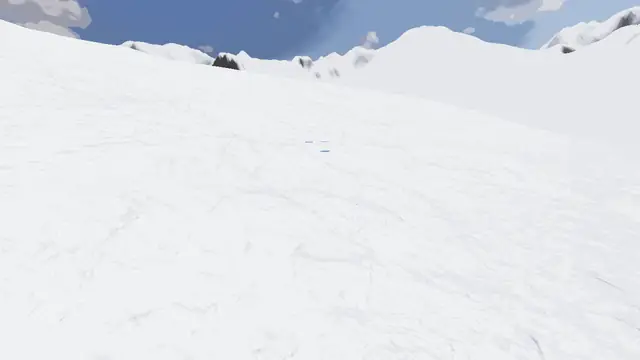
The new road, 1933
The lochside road was blasted through in 1933 and opened these views for the first time. The modern sightings begin that spring.
CRYPTIDS · Urquhart Bay, Loch Ness · 1933
The Loch Ness Monster · 1933–34
Band II · Lake and MountainA calm, bright afternoon in spring 1933, from the new road above the bay.
Reading this case file is free. The 3D walk is in band II, Lake and Mountain.
VR: open this page in the browser of a Meta Quest or another WebXR headset, start the walk, then choose View in VR. Android phones can use a Cardboard-style viewer.
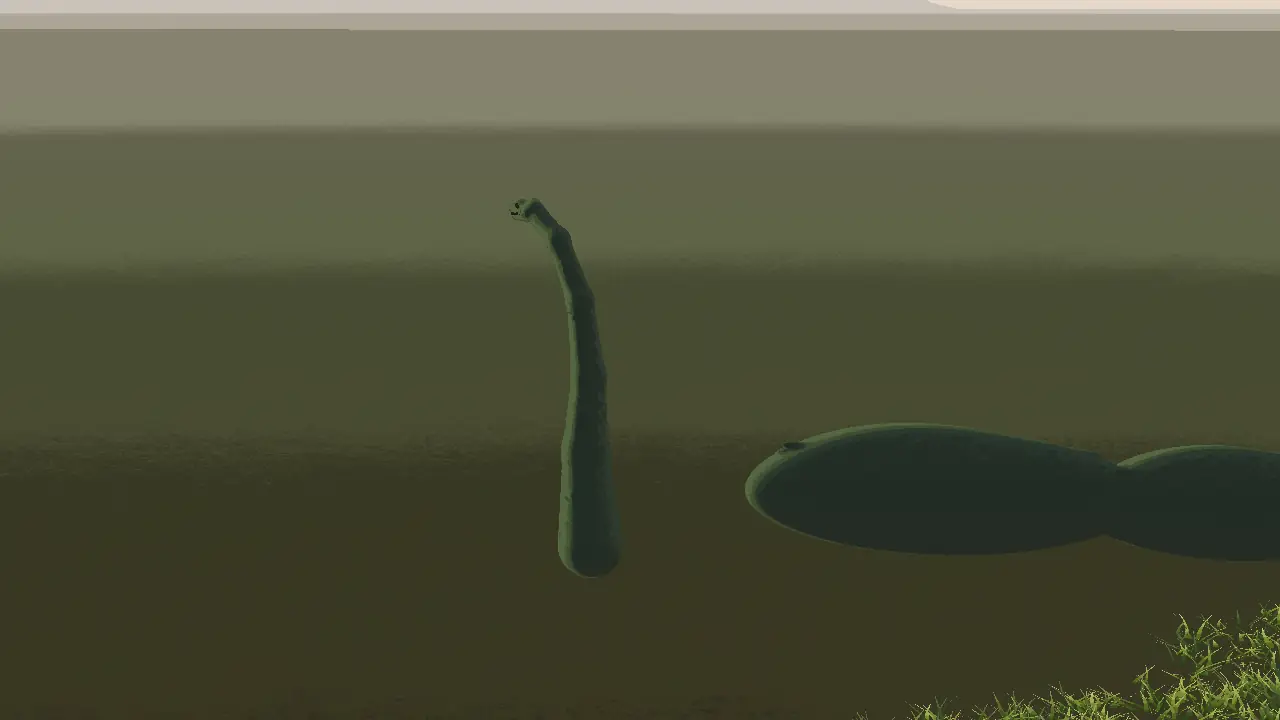
As the witnesses and believers tell it. A dramatization: nothing here is footage.
Loch Ness, Scotland. Two hundred and thirty metres deep, black with peat, holding more water than every lake in England and Wales together. Spring 1933: a new road has just opened along its shore.
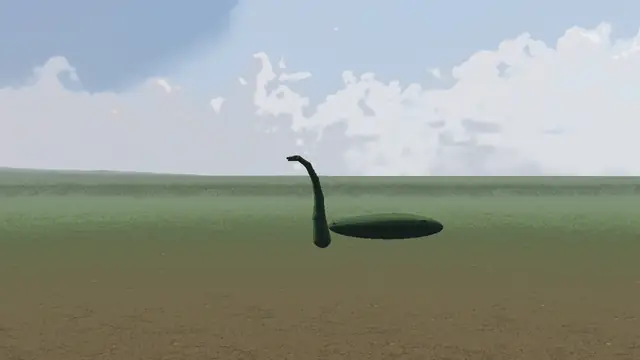
Stop — out there, on the water!
There — a long neck. And the back behind it.
It's going down.
A minute, and it was gone.
It was not the first. A saint is said to have faced a water beast here in the year 565.
In 1987 sonar boats swept the loch end to end. Three contacts came back from the deep that nobody could explain.
More than a thousand people have reported it since that spring. Most of them were not looking for anything.
Now switch on The Other Story and see it another way.
The moment the neck above the water
A boat wake with the boat long gone, then a log, then a swimming deer — each at the same range.
The same moment, replayed on the same ground under the leading conventional explanation.
Reported · Investigated · Explained · Folklore — every card says which.
The lochside road was blasted through in 1933 and opened these views for the first time. The modern sightings begin that spring.
More sightings are reported from this bay than anywhere else on the loch — it is also where the most people stand and look.
The 1934 "surgeon's photograph" was confessed in 1994 to be a model head on a toy submarine. It is described here, not shown.
A 2018 survey sequenced DNA from water samples throughout the loch: no reptile DNA at all, and a very great deal of eel.
The first report of 1933 described a whale-like back rolling in churned water. The long neck came with later reports that summer, months after a film with a long-necked lake monster opened in British cinemas. The animal here is the one the reports of 1933–34 add up to.
The 1987 sweep left three deep contacts unexplained, and they were gone when the boats went back. Debris, a seal that had come up the river, and layers of colder water have each been suggested since. Nothing has been found.
Citations stay in their original language.
Urquhart Bay, Loch Ness, 1933. The Loch Ness Monster · 1933–34.
A wake, a log, a swimming deer. A boat wake with the boat long gone, then a log, then a swimming deer — each at the same range.
Yes. Loch Ness is in band II, Lake and Mountain, a one-time licence; reading this case file is free.
No. Every scene is a 3D reconstruction on real terrain, and every photo you take carries a footer that says so.
Yes, in the browser of a Meta Quest or another WebXR headset: open this page, start the walk, then choose View in VR. The left stick walks, the right stick turns, the trigger opens the evidence and A or X switches The Other Story. In a Cardboard-style viewer on an Android phone, hold the screen to walk and tap a gold light.