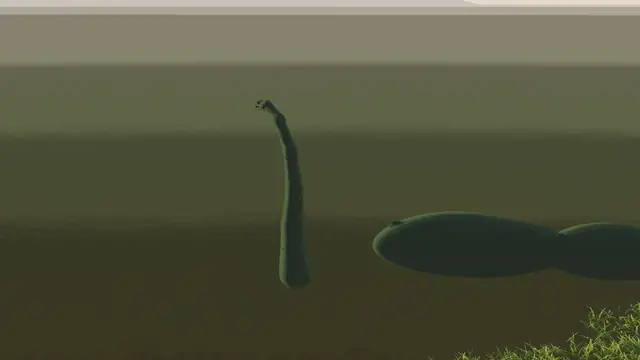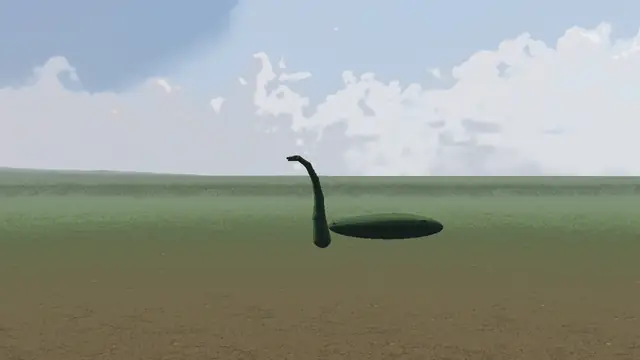
The print and the axe
November 1951, near 6,000 m: one print about 33 cm long, photographed beside an ice axe for scale. It became the most famous image in the subject.
CRYPTIDS · Menlung Glacier, Himalaya · 1951
The Yeti · November 1951
Band II · Lake and MountainNear 6,000 m, November 1951. A line of fresh prints crosses the snow.
Reading this case file is free. The 3D walk is in band II, Lake and Mountain.
VR: open this page in the browser of a Meta Quest or another WebXR headset, start the walk, then choose View in VR. Android phones can use a Cardboard-style viewer.
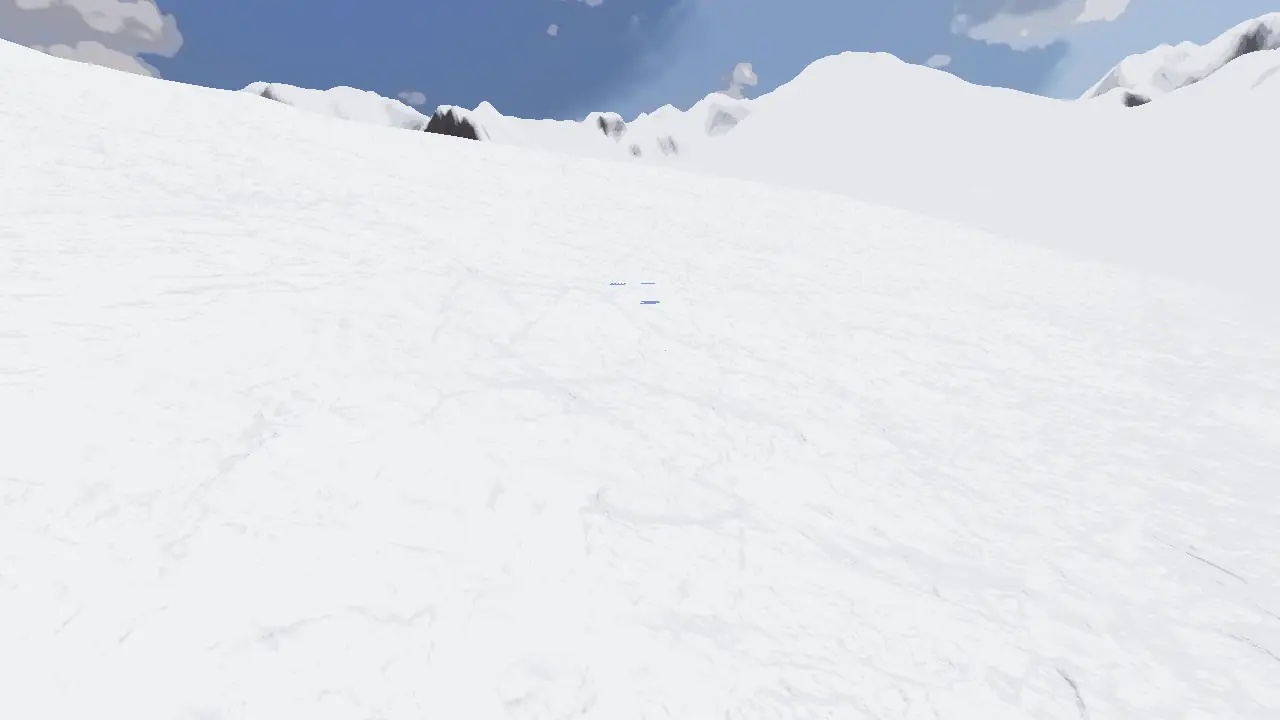
As the witnesses and believers tell it. A dramatization: nothing here is footage.
The Menlung Glacier, on the Nepal–Tibet border, near 6,000 metres. November 1951. Two of the most experienced mountaineers alive are crossing the ice.
Come and look at this.
A line of fresh prints, each about 33 centimetres long and 20 across, with a great toe set apart like a thumb. One is photographed beside an ice axe. The Sherpa with them names what made it at once: yeti.
They follow the line for a mile down the glacier, to where it is lost on the rock.
Now switch on The Other Story and see it another way.
A bear's prints, and a day of high-altitude sun.
The same moment, replayed on the same ground under the leading conventional explanation.
Reported · Investigated · Explained · Folklore — every card says which.
November 1951, near 6,000 m: one print about 33 cm long, photographed beside an ice axe for scale. It became the most famous image in the subject.
The yeti belongs first to Sherpa and Tibetan tradition, where it is not a zoological puzzle. The expeditions borrowed the word.
In thin air a print melts and sublimates outward in hours: small prints merge and grow. DNA tests on collected "yeti" relics have returned bears.
The famous close-up is a single print. The photograph of the trail shows a line of smaller, plainer marks, and anatomists have asked ever since why the sharpest print looks so little like the rest.
Citations stay in their original language.
Menlung Glacier, Himalaya, 1951. The Yeti · November 1951.
A bear, and a day of sun. A bear's prints, and a day of high-altitude sun.
Yes. Menlung Glacier is in band II, Lake and Mountain, a one-time licence; reading this case file is free.
No. Every scene is a 3D reconstruction on real terrain, and every photo you take carries a footer that says so.
Yes, in the browser of a Meta Quest or another WebXR headset: open this page, start the walk, then choose View in VR. The left stick walks, the right stick turns, the trigger opens the evidence and A or X switches The Other Story. In a Cardboard-style viewer on an Android phone, hold the screen to walk and tap a gold light.